

French Doors Repair
French doors can be stunning additions to any home. However, they do require regular maintenance to ensure their functionality and prevent future problems.
It's possible that the mechanism of the lock is blocked when the latch on your french door becomes stuck or does not lock. Lubricating the lock could be a simple fix.
Chips and cracks
Wooden doors can serve a wide range of home needs, including separating living spaces, ensuring privacy and providing a home with natural light. Even the best-made doors are susceptible to physical damage, such as cracks and dents. In some instances the damage may be so significant that it's time to replace the frame of the door.
In some cases the damage is so small that it can be repaired without removing the door. Most cracks occur due to the natural shrinking and swelling of the wood due to changes in temperature and humidity or due to a physical impact such as the door slamming shut. In most cases, cracks can be repaired with wood putty or filler.
For painted french doors it is recommended to make use of a paintable wood filler that is the same color as your door. This product dries quickly and allows for easy and quick repainting so that your door can look like new.
To apply the filler or putty, first clean the area around the crack. then place an untidy towel or a large clean rag on the floor to protect it from spilled filler and glue. Make sure to lay the rag near the door so that you can easily remove it when the filler is dry and you're ready to sand and paint your door.
Once you've chosen the filler you want to use, scoop small amounts into the inside of each crack's ridges, then smooth it out using a putty knife. Allow the filler to dry before sanding it down and re-painting.
For larger cracks that extend from the side of the door that is hinged to the jamb side, you may need to repair a portion of the frame, in addition to the cracked panel itself. If the wood in this region is decaying, you might require cutting away the damaged section of the frame and replace it with a brand new piece. Once you've changed the section of the frame, sand it and repaint it to match the rest of your door.
Fog
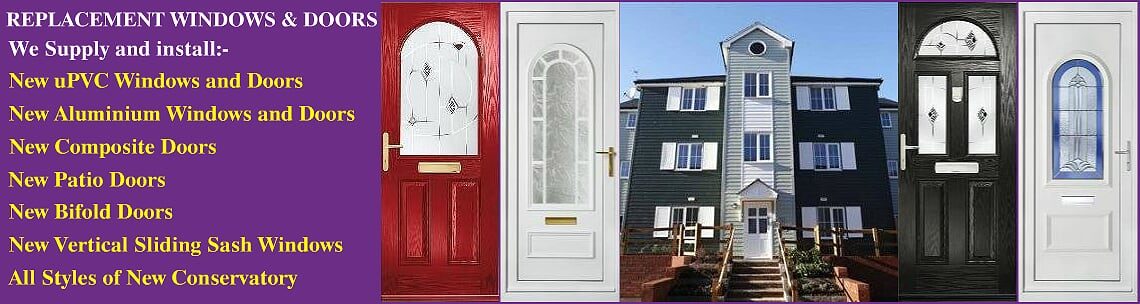
French doors (also known as double doors) have a beautiful style that adds elegance and value to any home. As with any door, they can develop problems in time, which could compromise their security or function. Fortunately, most of these problems can be easily resolved by some effort.
Foggy glass is a frequent issue for French doors that can occur because of changes in temperature or humidity. These changes can cause the seal of your window to fail, and moisture to accumulate between the glass panes. Foggy glass may need to be replaced or repaired based on the severity of the problem.
It is possible to fix minor issues by de-fogging doors and windows with a commercial spray, such as window cleaning spray. This is a temporary fix that will need to be repeated regularly. You can engage an expert for a permanent solution to eliminate moisture from the unit. They will disassemble the door glass, clean it thoroughly and then seal the unit to stop any further fogging.
The most likely reason for the reason your French doors not latching is because the hinges are misaligned. This can be caused by wear and tear, or because your home has settled over time. This can be fixed by tightening and loosening the hinge screws until all are equally distributed.
If your French doors are becoming more difficult to close and open it is possible to fix this by altering the latching bolts on each door. They are found on the inside and outside of the door. They are secured by two screws, which must be removed in order to gain access to the bolts. The bolts can be tightened or loosen with a standard screwdriver if they are loose. If the bolts are still not latching, it's important to make sure that there is nothing blocking them, like furniture or a doormat. In this instance, it's a good idea to contact a specialist French door repair company to get help.
Water Leaks
French doors are a well-known feature that enhances the beauty of any house while blending indoor and outdoor spaces. However, they are susceptible to being damaged by a variety of reasons, such as aging, inclement weather, or even improper installation. If your French doors are showing signs of damage, it's important to address them quickly to avoid water intrusion and costly repairs in the future.
If your French door is leaking when it rains, the problem may be with the seal around the window panes or the frame. Examine for signs of wear, such as cracks, in the sealant. Also, make sure your installer followed the correct sealing instructions. If the leaks are widespread it could be necessary to replace the components involved in the leakage.
The lack of ventilation is another cause of French doors that leak. A gap in the weather strip allows warm air to escape during winter, while cool air can enter during summer. This can lead to drafty rooms and costly energy bills. If you notice air gaps in your French doors, install additional weather strips to create a barrier against moisture.
There could be click over here with your French doors if they're unable to open or close correctly. This could be due to humidity or a sign that the door is out of alignment. This problem can be resolved by examining the hinges and sanding any areas in which the door sticks.
uPVC replacements aren't suitable for every home, especially in listed or period properties. Chameleon can fix your existing French doors and windows to restore the look of your home whilst making sure that the integrity of your home is preserved. They will also guide you on how to maintain your French doors to avoid further damage and ensure that they function smoothly. If you require repairs for your doors that are in use or like a quote on replacements, get in touch with Chameleon today. They have more than 20 years of experience in the restoration and maintenance of doors, windows, and all other wooden features found in historic homes across London.
Energy Efficiency
If your French doors are broken or inefficient, they will let cold and heat escape through the glass. This can affect the temperature in your home. In certain cases, based on the extent of damage, it might be necessary to replace them in order to achieve maximum energy efficiency.
In this case it's more cost-effective to replace the old doors than to try and repair or replace them. But, it's crucial to assess the severity of the damage in order to make sure that it's worth the expense.
The cost of replacing a pair of French doors is contingent on the style and quality of the doors. A set of custom-made French doors featuring dual-paned glass can be more expensive than a standard model because of the additional insulation they provide. Double-paned doors are also equipped with various options to boost energy efficiency. They include low-emissivity coatings and argon filled between the panes of glass to block heat transfer. On the window labels, you'll find information about these options, as along with energy performance ratings.
Re-caulking the frames is another way to increase energy efficiency. It helps seal gaps and reduces air leaks. This task should be left to professionals, since shifting building weights and weather conditions that change can cause the caulking material to crack or break off.
If you're looking for a long-term solution, consider using drapes to provide an additional barrier between your doors and the outside elements. Drapes are a low-cost way to protect against extreme temperatures, and can help save on your energy bills. It's usually cheaper, however, to replace the doors.